In the last few years, the climbing wall industry has leveled up in online, screen-based learning. Webinars, Slack threads, even social media’s proliferation of short-form video tips—they can all be highly beneficial, but they should not be your only form of education. Studies from Stanford’s Virtual Human Interaction Lab have documented “Zoom fatigue” and the nonverbal overload that video calls can create. We’re all familiar with screen-related factors—constantly viewing ourselves, constrained movement, unnatural eye gazes—that can zap attention and motivation.
When we ask gym managers, routesetters and coaches what actually sticks, they often describe something you can’t download: the feeling of being in the room.
The science largely backs them up. As online learning becomes more prevalent, a growing body of research from the last decade indicates that active, face-to-face learning enhances performance and memory. These are the exact ingredients we find when convening at the CWA Summit.
The Retention Edge: active learning beats passive watching
In a study of university students at the University of Washington, the evidence is consistent: we retain more when we participate.
In a metadata analysis published in PNAS, University of Washington researchers analyzed the data of 225 studies concerning the learning styles and material retention of STEM undergraduate students. They found that when students moved from passive lectures to active learning, exam scores jumped and failure rates dropped dramatically.
Working out problems together instead of sitting in a 400-person lecture hall, where your professor is just a tiny speck on the podium, can make all the difference. Translated into letter grades, the PNAS study suggests the average student lands roughly half a grade higher with active approaches than with traditional lecturing, and they’re 1.5 times less likely to fail.
Participation transforms learning from a one-way transfer into a two-way process of making something meaningful together. It allows our brains to encode information through multiple sensory and cognitive pathways. In climbing terms, it’s the difference between watching a beta video and actually pulling on the holds.
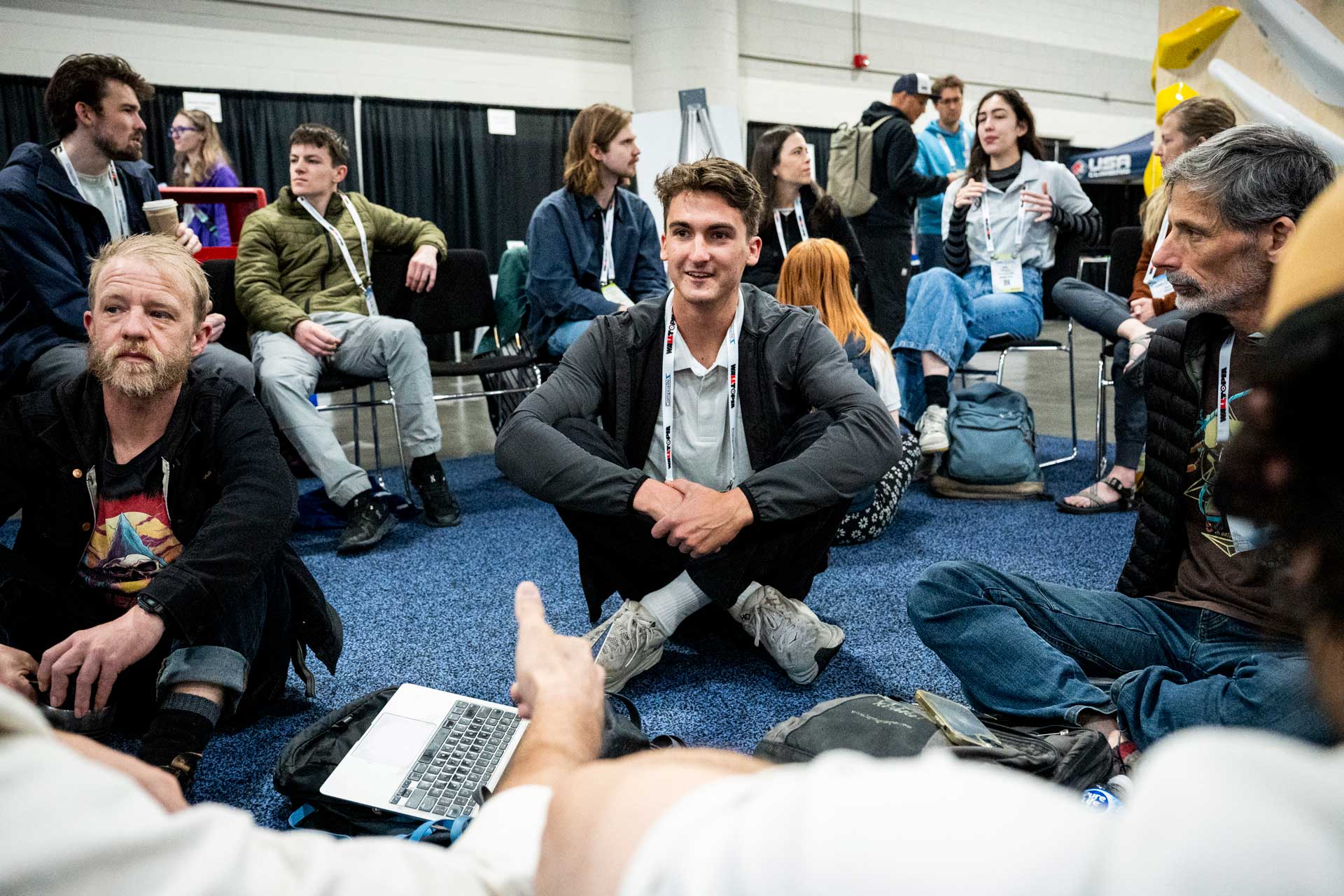
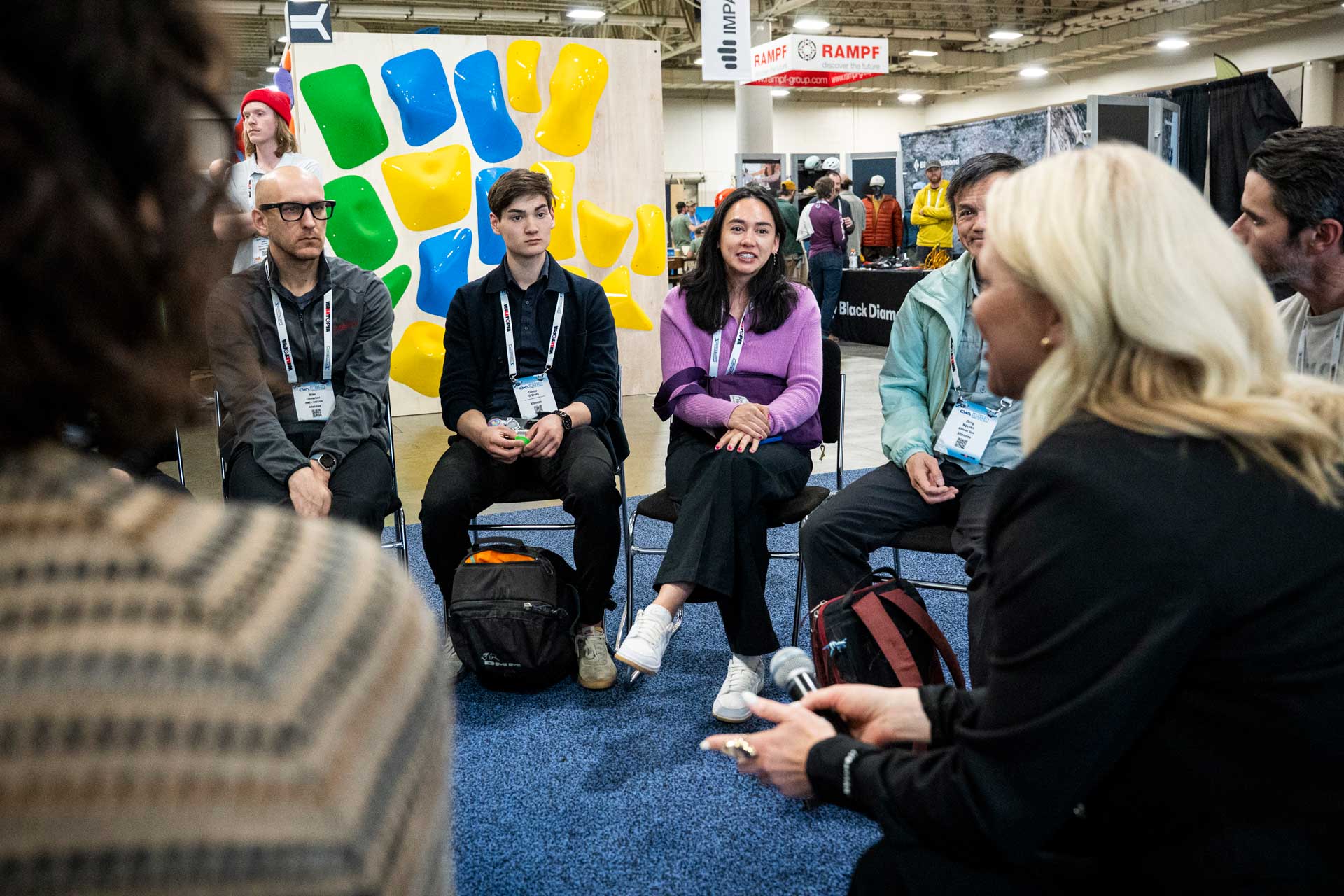
That factor matters for conferences. The CWA Summit’s pre-conferences, Community Hubs and roundtables are built around interaction rather than one-way information dumps. A new climbing gym manager takes notes during a Community Hub, but it’s when he turns to his neighbor and explains how he’ll adapt an idea for the local community back home that the concept “sticks.” A routesetter attends a roundtable about risk management and remembers the discussion months later because she argued a point, listened to feedback, and adjusted her reasoning on the spot.
As Alex Bernstein, the founder and CEO of Ascend in Pittsburgh, puts it, “I attend the [CWA] Summit to be a sponge and soak up all the information.”
Those are active conditions for learning, and they’re precisely where retention improves. Back at your facility, the retained value can manifest itself in compounding ways.
Social presence is not a “nice to have”—it’s a learning variable
When people talk about “showing up,” they often mean commitment or professionalism. But in education science, showing up also has a measurable cognitive effect.
Researchers call it “social presence”—the sense that people are with you, attending to the same task. It’s one of the most powerful predictors of how much people actually learn.
In 2022, two Greek universities set out to better understand how the transition to online learning during the COVID-19 pandemic affected students. According to the survey results—published in the National Library of Medicine—the researchers found that nearly three-quarters (73%) of the 336 surveyed university students reported that in-person teaching enabled longer concentration, and 81% said it supported a better understanding of the material. The survey findings showed clear evidence that being physically present affects more than just nice-to-have social factors—it’s an opportunity for a heightened level of learning that lasts.

“I remember getting some swag and free jibs from a vendor,” said a Colorado-based routesetter who attended the 2024 CWA Summit in Portland. “It led to a conversation about proper jibbing techniques. Then suddenly there are three other setters at the booth wanting freebies and arguing over the best way to jib a macro. I still remember those techniques.”
Moments like those can’t be scripted, but in-person sessions can make them more likely to happen. That’s why the CWA Summit’s culture of openness matters as much as its content.
Those exchanges are hard to compress into pixels, and the science on interaction, engagement and social presence explains why. When you walk into an Education Session and recognize faces from the Trade Show Floor, when you laugh about a comp-gone-wrong, or when a coach from another city remembers your name, these layers of familiarity can deepen our sense of belonging.
Making Space for Onsite Connections
To be clear, the takeaway from these studies is certainly not to ditch online learning, but instead to combine it with other valuable forms of education, since each one comes with unique benefits.
The same Stanford University report on Zoom fatigue also stated that in-person learning restores the “human ergonomics” of attention. Looking where you want, moving as you think, and reading the room helps us stay engaged and connected in an educational environment.
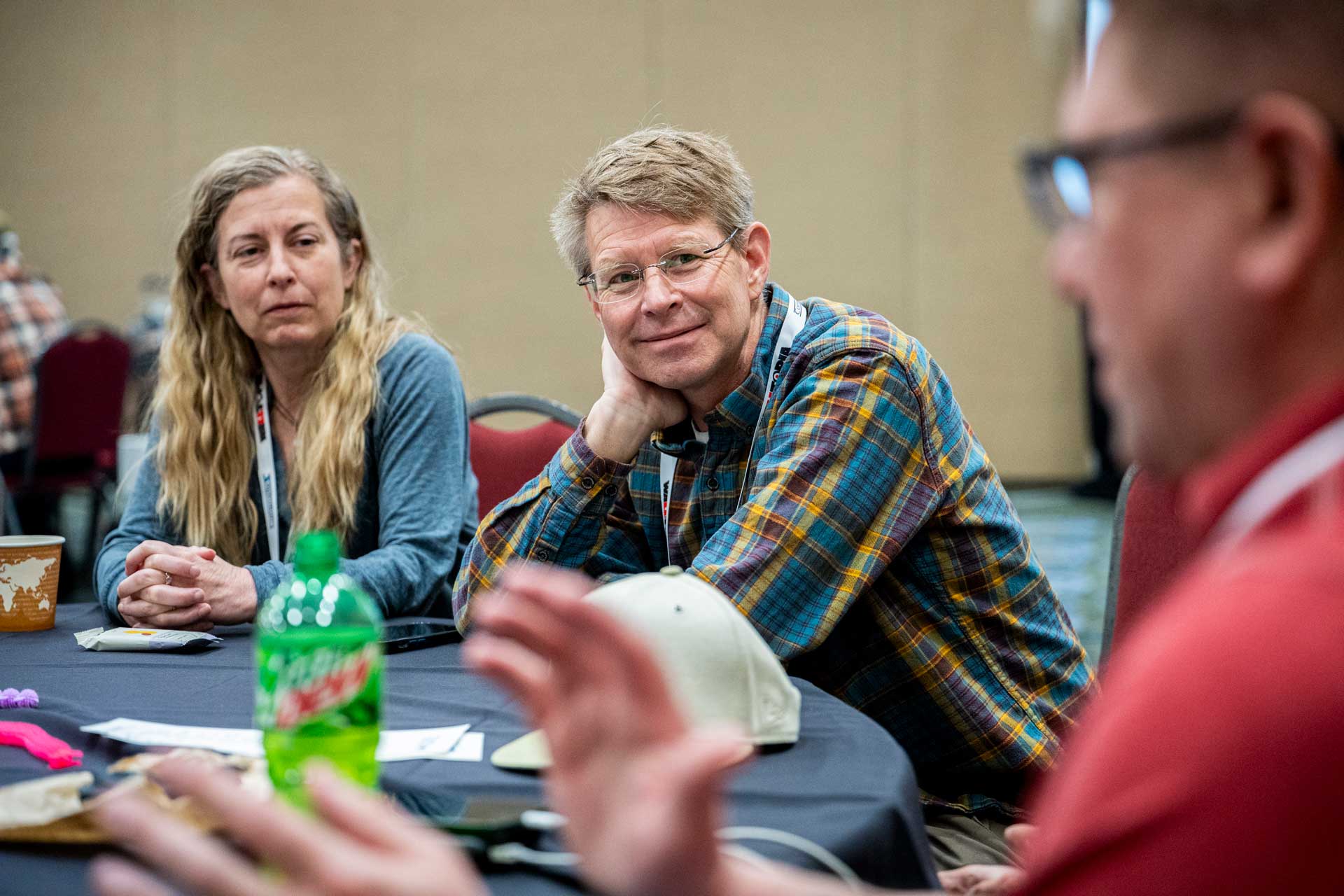
“ You can’t really make the same kind of connection online,” said Bryan Pletta, co-founder of Albuquerque’s Stone Age Climbing Gym. Pletta has been attending the CWA Summit for more than a decade.
“ I think the gym owner roundtables are probably my favorite event at the conference,” Pletta continues, “It’s an opportunity to engage with other owners—the only opportunity to see the wider world of the gym industry.”
So, absolutely continue attending webinars. But make space, once a year, to step into the room where your questions are answered by someone sharing a similar experience, and vice versa.
Registration for the 2026 CWA Summit is open. If you’re aiming to bring home ideas that stick, be sure to come with the people who will put them into action. We’ll provide the room.
This article is a sponsored story and does not necessarily represent the views of the Climbing Business Journal editorial team.