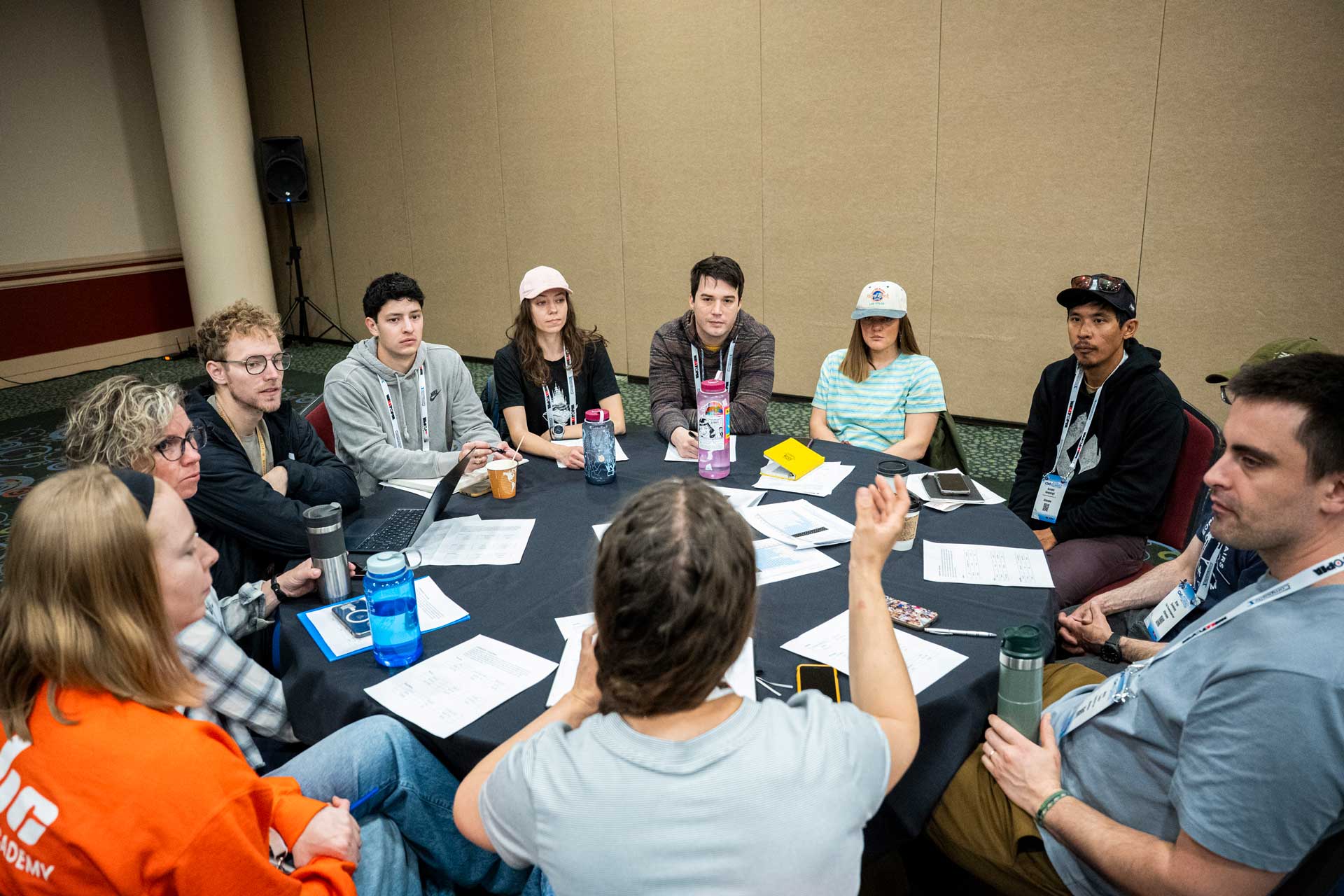
The CWA Summit has grown a lot since its early days at the Hotel Boulderado. This year, the Summit kicks off Wednesday morning at 10:45 a.m.—about half a day earlier than attendees may be used to—and the keynotes and roundtables begin at 11 a.m. It’s a small but meaningful shift. For those planning their travel, that tweak means adjusting arrival plans, and for those on the fence about attending at all, it means there’s more programming than ever to make the trip count.
Daniel Jeanette, Chief Operating Officer at The Spot Climbing Gym—which operates five locations in the Denver and Boulder area—has attended the Summit roughly ten times since 2010, including a stretch from 2014 to 2018 when he worked for the CWA as Membership Manager and helped run the event himself.
Few people have seen the Summit evolve the way Jeanette has, and few are better positioned to say what makes it valuable.
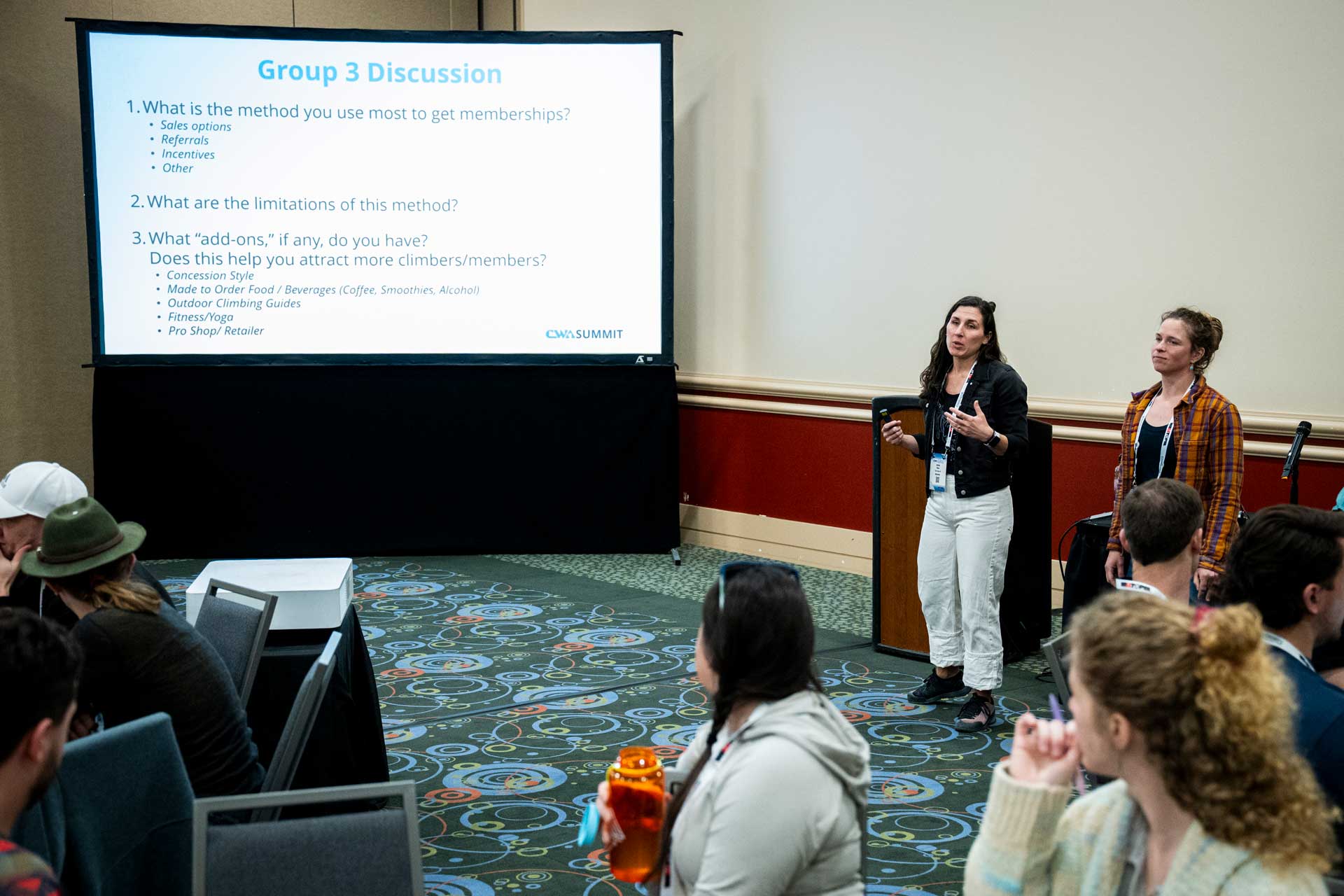
The Sessions That Actually Change How You Work
One of Jeanette’s most memorable Summit experiences came from a keynote led by Chris Stevenson of The Empower Group in 2023, focused on building customer-centered frontline teams. “The core message was simple but powerful,” Jeanette said. “If you hire exceptional people, train them intentionally, and invest in their growth as much as you invest in the business itself, the returns compound—not just financially, but culturally as well.”
The Spot took that message seriously. The team built more structure around onboarding, clarified growth tracks for frontline staff, and shifted managers toward developing their people rather than simply supervising them. “The result has been stronger retention, a better member experience, and a noticeably more confident and engaged staff presence in our facilities,” Jeanette said. “Your frontline team is your brand.”
That kind of carry-through—a session insight becoming an operational change—is exactly what the Summit’s education programming is designed to produce. This year’s keynotes and education sessions were organized to continue that tradition and cover topics relevant to everyone, from gym owners to coaches and routesetting leads.
The Roundtables Are Where It Gets Real
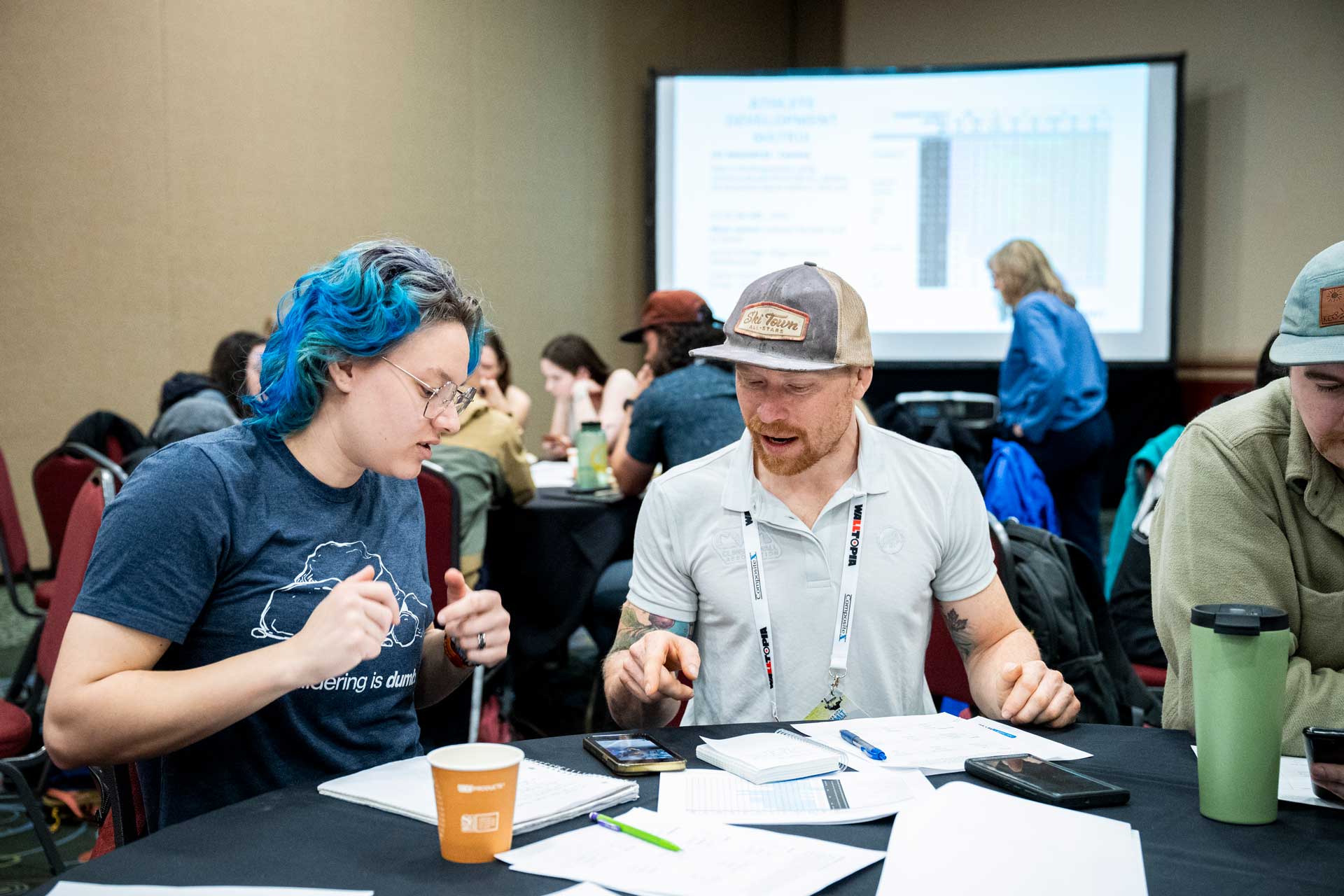
If the keynotes offer frameworks, the roundtables are where those frameworks get stress-tested. This year’s roundtable lineup covers five tracks—Owners, Managers, Coaching, Routesetting and Startups/Expansions—giving attendees a structured space to sit with peers who are working through the same challenges.
“I highly encourage anyone who attends to go to the roundtable discussions,” Jeanette said. “I’ve found these to be most impactful for dissecting issues and hearing from others who are in the same boat.”
The cross-disciplinary mix is a big part of why these conversations work. At any given Summit, routesetters, HR leaders, marketing directors, owners, youth program managers and C-suite executives are all in the same building, and often in the same room. “That rarely happens inside a single organization, let alone across multiple companies,” Jeanette noted.
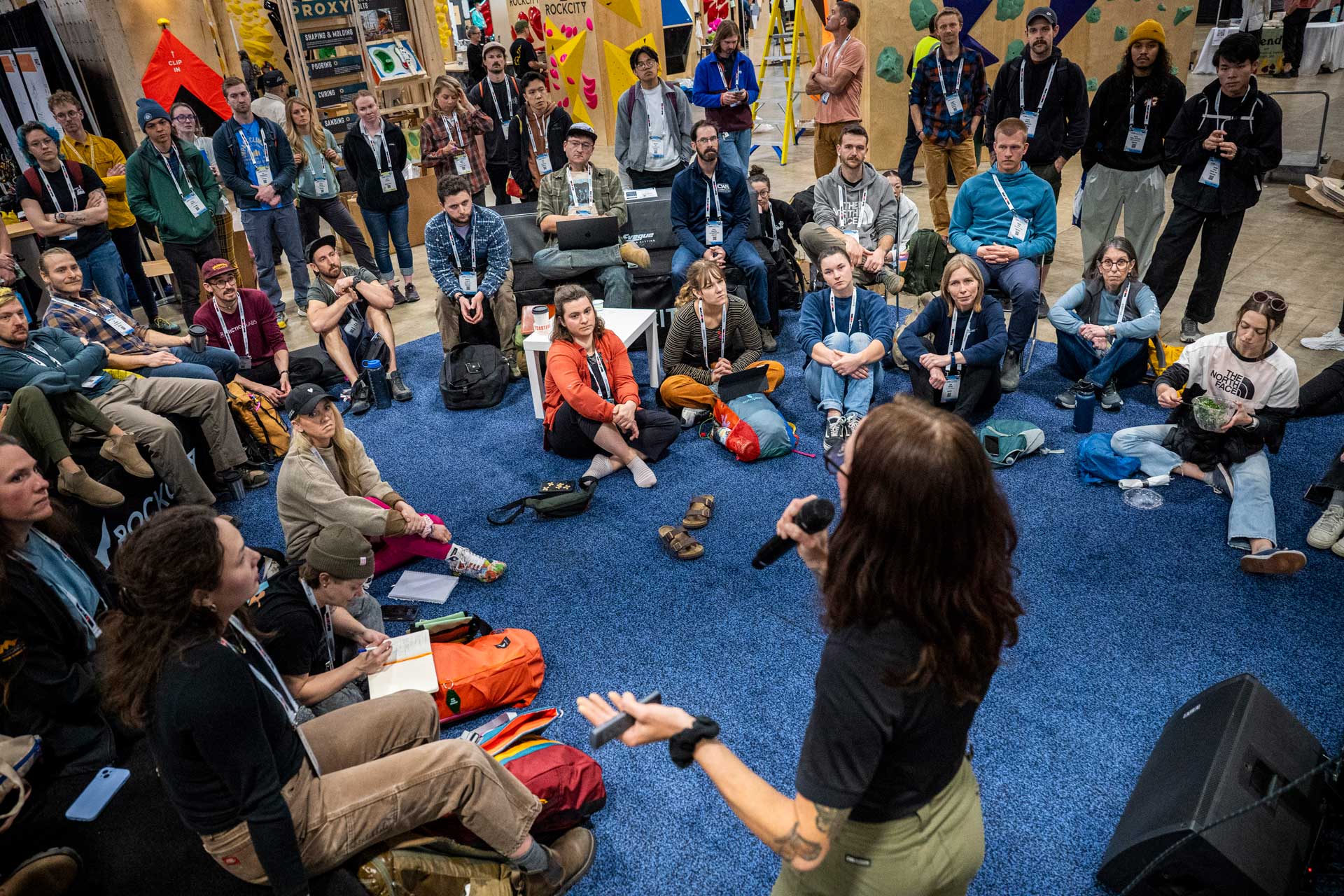
In one conversation he witnessed, a facilities leader and a marketing director from another gym were discussing capital improvements—such as new boards, lighting upgrades and airflow changes—not as operational expenses but as membership retention tools. “That conversation influenced how we now evaluate facility upgrades,” Jeanette emphasized. “The conversation isn’t about ‘Can we afford this?’ but ‘How will this show up in lifetime member value?’”
For first-timers, Jeanette’s advice is direct: go in with three intentions, ask real questions, schedule informal conversations, and translate at least one thing into action within 30 days.
“If you treat the Summit like passive professional development, you’ll get some ideas, and that’s still great,” he said. “But if you treat it like a strategic planning session, it can materially change how you run your business.”
If you’re planning to attend this year’s CWA Summit, now is the time to register, check out the stacked roster of speakers, and book your accommodations at special event rates.
This article is a sponsored story and does not necessarily represent the views of the Climbing Business Journal editorial team.