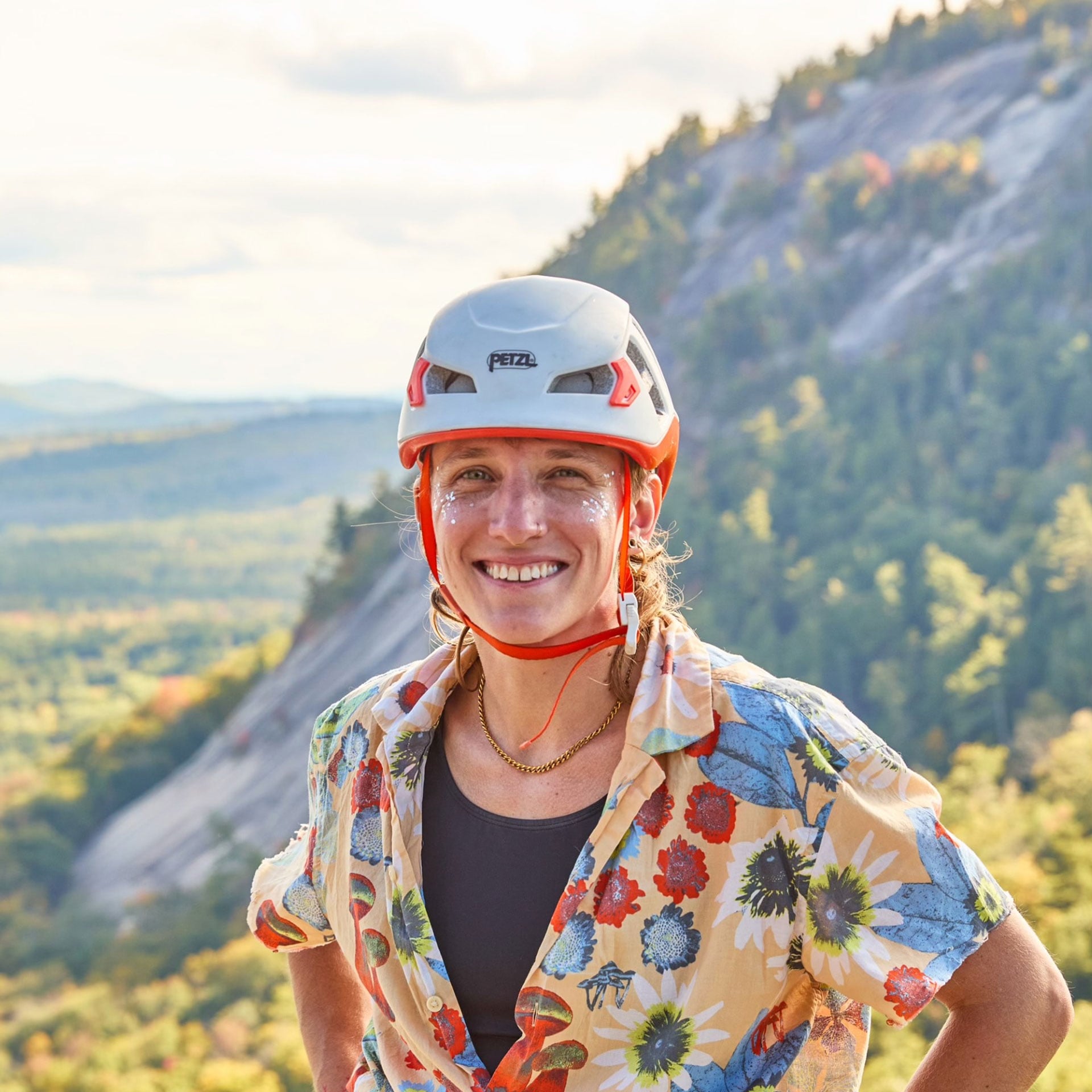
Name: Hann Smiley
Title: Youth Team Manager at Movement Callowhill
Location: Philadelphia, Pennsylvania
Behind the Desk…is an ongoing series of interviews with professionals from around the climbing industry. For this segment, we caught up with Hann Smiley, the Youth Team Manager at Movement’s Callowhill location in Philadelphia. When leading a team of coaches and athletes, Smiley says “creativity and passion are foundational,” and as is bringing attention back to the “why” behind the work. “We aren’t just training athletes and building a team,” Smiley states. “We are mentoring youth and creating a community.” Smiley dives into all those topics in the interview below, shares a way to give youth more agency over their learning, and provides a handy checklist of some must-have materials for any youth coach to have on hand.

BURGMAN: Can you tell me a little about your climbing/career background and what being a Youth Team Manager at Movement entails?
I found rock climbing in college and immediately latched onto the practice and lifestyle. I started coaching youth climbers soon after I began climbing myself to cover the gym membership and quickly realized how fulfilling coaching was for me.
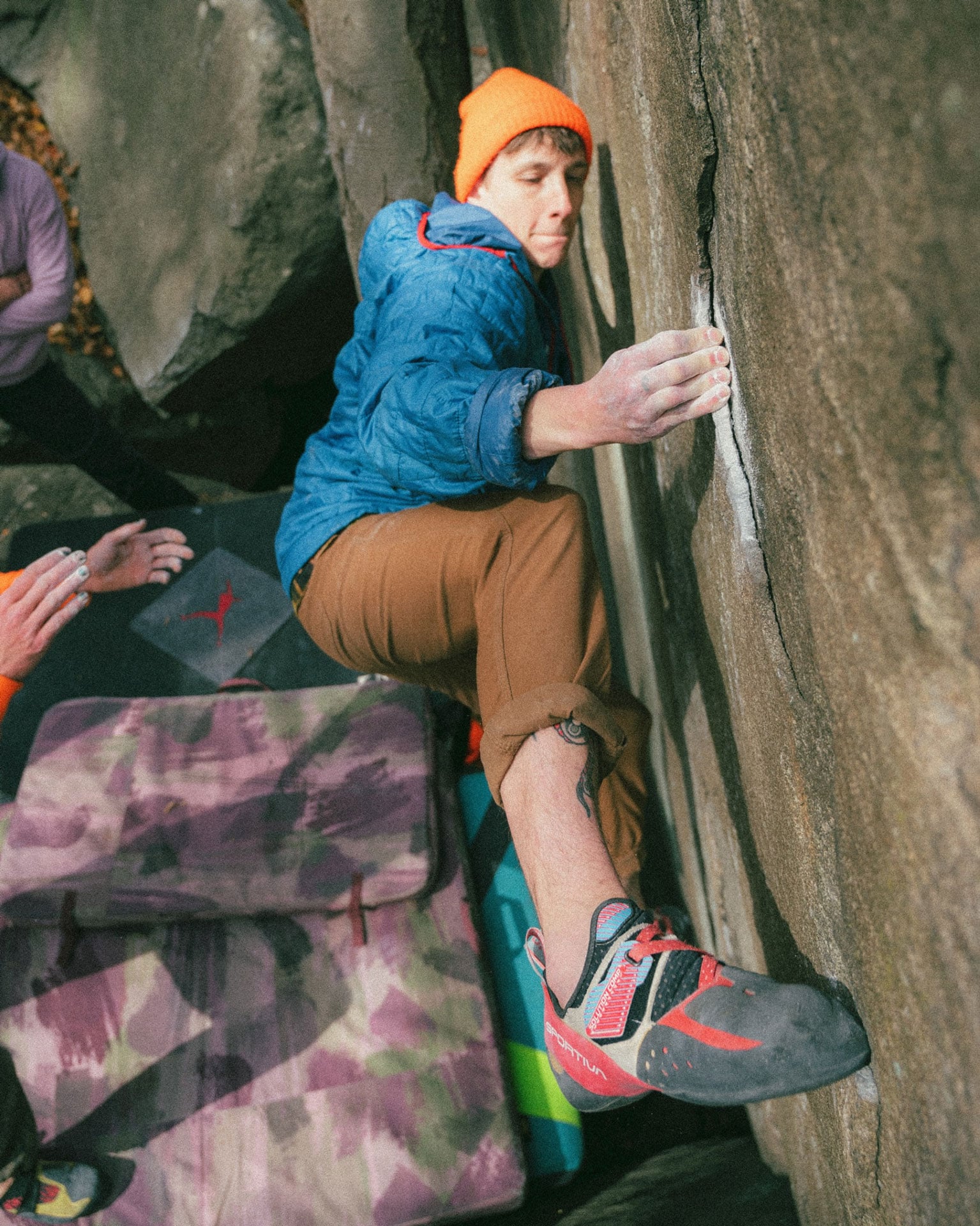
I have been working in the climbing industry for seven years now. Of those 7 years, I have been working as a Youth Team Manager for four and an AMGA Single Pitch Instructor for three. On the weekends, I guide for Rise Outside, a nonprofit guiding organization based in New Paltz, New York, that aims to diversify the outdoors by reducing barriers to outdoor climbing and experiences through free and low-cost programming to groups and individuals.
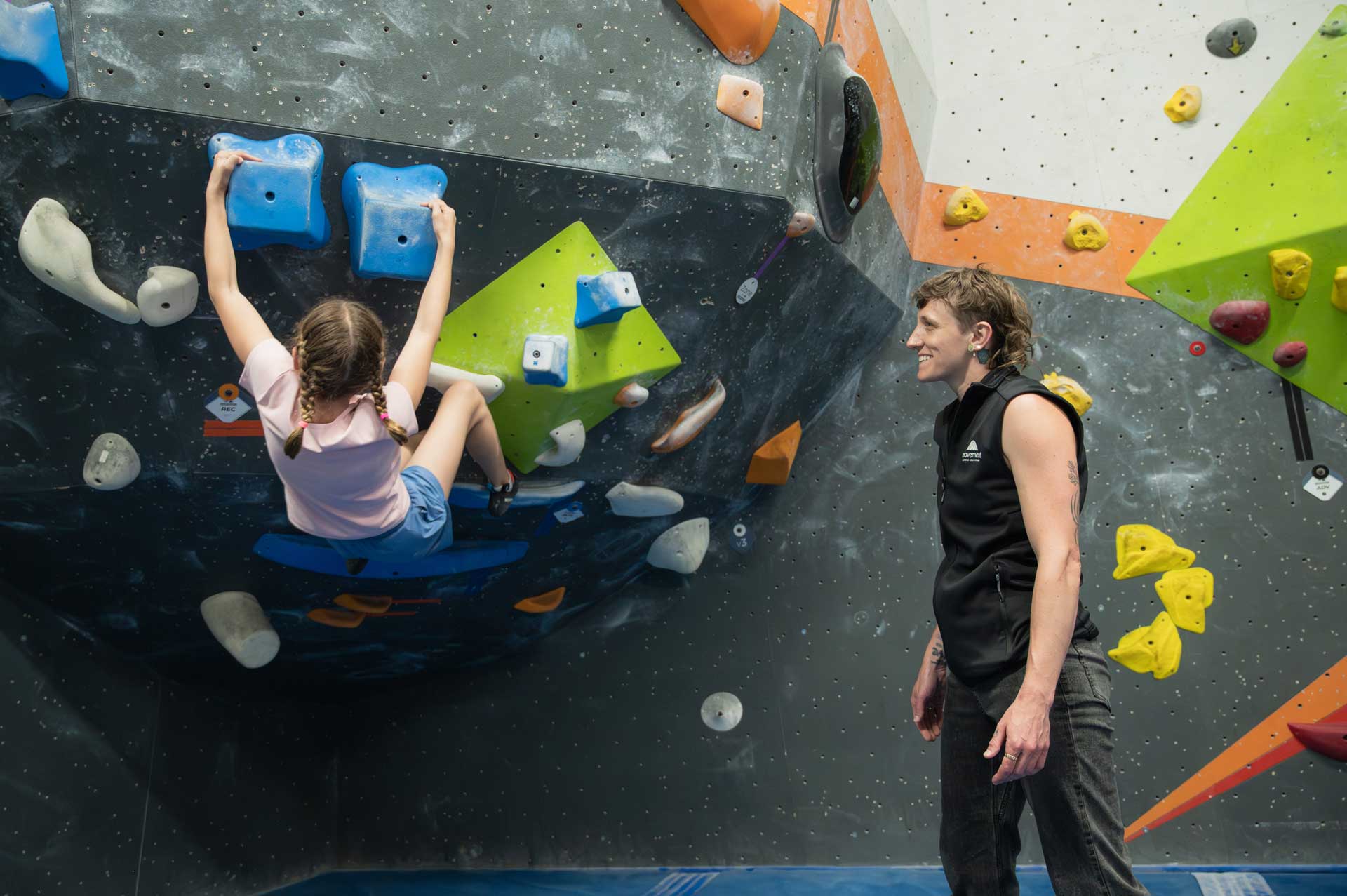
In my role as a Team Manager, I lead our competitive and recreational youth programs with the support of an awesome team of coaches. Being a Team Manager involves a decent amount of administrative work along with coaching athletes, creating training programs and writing practice plans, training and mentoring coaches, and connecting with parents and families to ultimately build a community where youth climbers can connect with one another, learn, grow and thrive.
Is there a specific memory from your role thus far that sticks out?
Having been a youth coach in the Philly climbing community at multiple gyms spanning many years, I’ve had the joy of witnessing so much growth, both in the youth climbers I’ve coached and in myself.
At my very first youth climbing coach job, when I was still new to the sport, I got beta from a 12-year-old I was coaching that helped me to send my first V4. Then four years and two coaching/gym jobs later, I got to hire her as a youth climbing coach.
Now that I’ve been in this role specifically for a few years, I’ve had the joy of hiring my own competitive team kids to become a part of our coaching team, assisting them in developing skillsets beyond climbing, and watching them take what they’ve learned from their coaches to mentor the younger generation of climbers in our community.
At the heart of climbing is mentorship and community, and it is a beautiful thing to witness and be a part of!
What is a personal quality or characteristic that you think helps someone (or has helped you) significantly in the role of a youth team manager or head coach?
I believe creativity and passion are foundational characteristics necessary to build a sustainable, meaningful and memorable youth climbing program. The ability to adapt and create programming that is unique to each young climber’s learning style has played a major role in the successes of our coaches, athletes and program.
Creativity encourages vulnerability, which in turn fuels connection. Connection is how our team of coaches, athletes and their families become a community.
Rock climbing in its many forms (and being a youth team manager) is about problem solving. The ability to come up with new ideas and approaches to problems that arise in climbing, program managing and coaching create continuous opportunities for connection, collaboration and growth.
What’s an aspect of your role that people might not realize or might not see on a day-to-day basis at the gym?
There’s a lot more administrative work, coordinating and planning involved in my role that people don’t always expect, but in addition to that there is a lot of one-on-one mentorship that goes on behind the scenes.
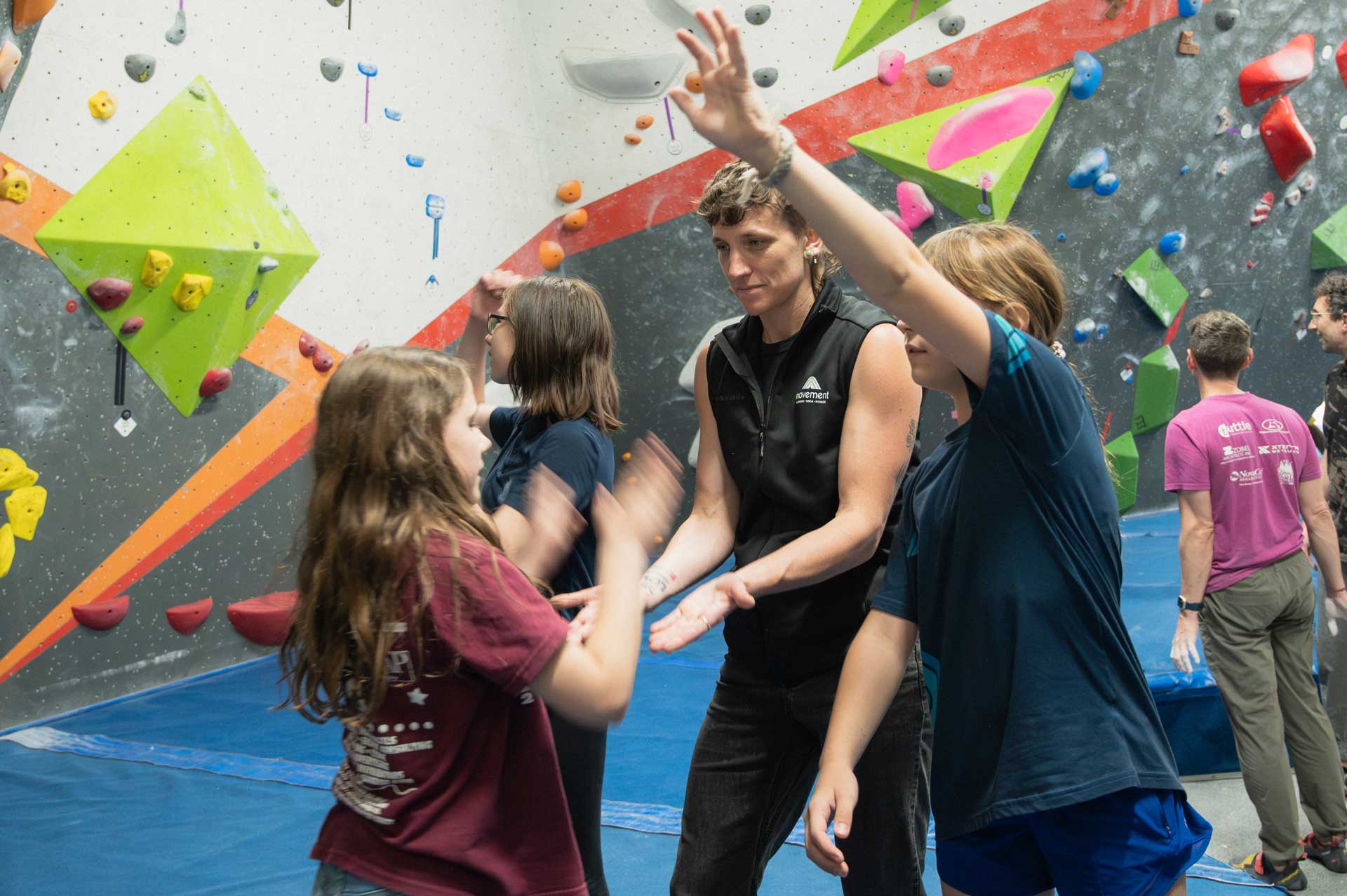
As team managers, we are not only mentors to the athletes we coach, but also to our team of coaches and the parents and families within our program. To be a coach is to also be a guide, a counselor, a cheerleader, and an all-around catalyst for growth and development, both on and off the wall.
From your experience, what are some keys to running a successful gym program for youth climbers? And what does youth programming require that adult programming might not?
For your team kids, keep it fun, mix it up, and make time for athletes to connect off the wall and help them remember their why. We aren’t just training athletes and building a team. We are mentoring youth and creating a community.
For young climbers and beginners, create a challenge by choice atmosphere. This philosophy gives youth agency over their learning experience and helps them build internal motivation and find their why. It also creates inclusive and individualized coaching.
To me, a successful youth climbing program is one that is accessible and welcoming to all.
What are some materials and/or resources that a gym should have on hand at all times for its youth programs?
Some of the materials we use for our recreational and competitive programs include:
- Objects to build an obstacle course on or off the wall (hula hoops, cones, agility ladder, etc.)
- Small objects to hide in holds for various games
- Laser pointers
- White boards and markers
- Small collection of reading/coloring materials and other off-the-wall games
- Climbing journals for competitive athletes
What advice would you go back and give yourself, if you could, or give to anyone else starting a youth team manager or head coach role?
When turning your passion into your career, which happens a lot in climbing, it can be easy to lose sight of your work-life balance, but having that balance is what keeps you inspired. I find that I am the best coach and manager that I can be when I am intentional about making time for my own training and personal growth—not just in climbing but also in other areas of my life.
Climbing is such a strong modality for personal growth and discovery. It creates pathways of connection to our bodies and minds, our community, and the natural world around us. As a facilitator of those connections, I’ve learned that it is important for me as a manager, coach and guide to nurture those connections for myself, so that I can stay motivated to inspire others.