Intro by John Burgman
It’s almost hard to envision what the landscape of climbing gym business looked like nearly 40 years ago. Climbing gym areas existed in Europe, but mostly as subsections of larger university facilities or fitness gymnasiums. In the United States, climbing competitions in mountainous places like Santee, near San Diego, and Mount Rubidoux, near Riverside—along with the Phoenix Bouldering Contest in Arizona—were steadily opening Americans’ minds to ways that climbing could be systemized, organized and controlled in a given recreational environment. And several visionaries were toying around with the creation of climbing holds from alternative materials—beyond rock and stone—in the mid-1980s.
But for all that latent potential and creative verve, commercial climbing gyms in the United States did not exist.
Then, in 1987, Rich Johnston and Dan Cauthorn founded Vertical Club in Seattle, and everything changed. Vertical Club—which later changed its name to Vertical World—was not only the first commercial climbing gym to open in the United States; it was the unveiling of an industry template. Other entrepreneurs soon followed and opened their own climbing gyms around the country. Over time, climbing gyms complemented outdoor American climbing before eventually supplanting it; recent reports indicate that far more people now climb indoors, in gyms, than outdoors.

Today, per CBJ’s latest Gyms & Trends report, there are now over 900 climbing gyms serving climbing communities across North America. Each of those facilities has its own unique history, but even modern gyms often have stories that are in some way reminiscent of those early days at Vertical Club—leaps of faith to start a gym project, inspiration drawn from industry legends, bonds forged through a shared love of climbing, and countless other examples. Because, although the business of climbing is in a different chapter than it was 40 years ago, there are still common threads that weave through the pages of our industry’s past and present.
In this new series on CBJ, Memories From America’s First Climbing Gym, Johnston retells some of those tales of old (originally penned and published as blog posts from 2007 to 2009). Below is the first of those candid reflections on Vertical Club’s earliest days of operation…and the industry evolution Johnston witnessed in the decades that followed.
Where It All Began
by Rich Johnston
[Editor’s Note: An earlier version of this article was first published on September 21, 2007.]
I wrote this blog a few years back when reflecting on the grinding experience of starting Vertical Club (now Vertical World) in 1987.
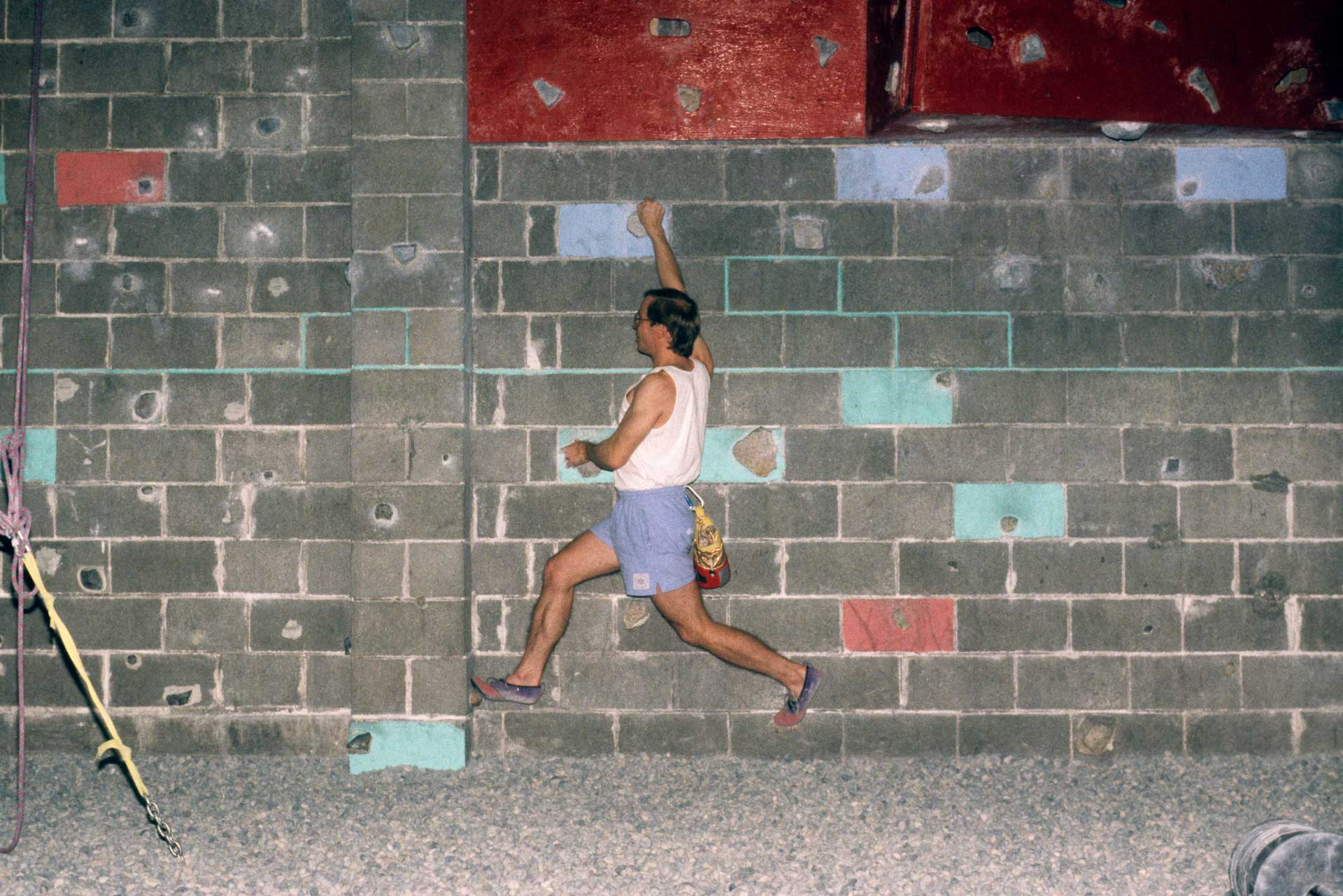
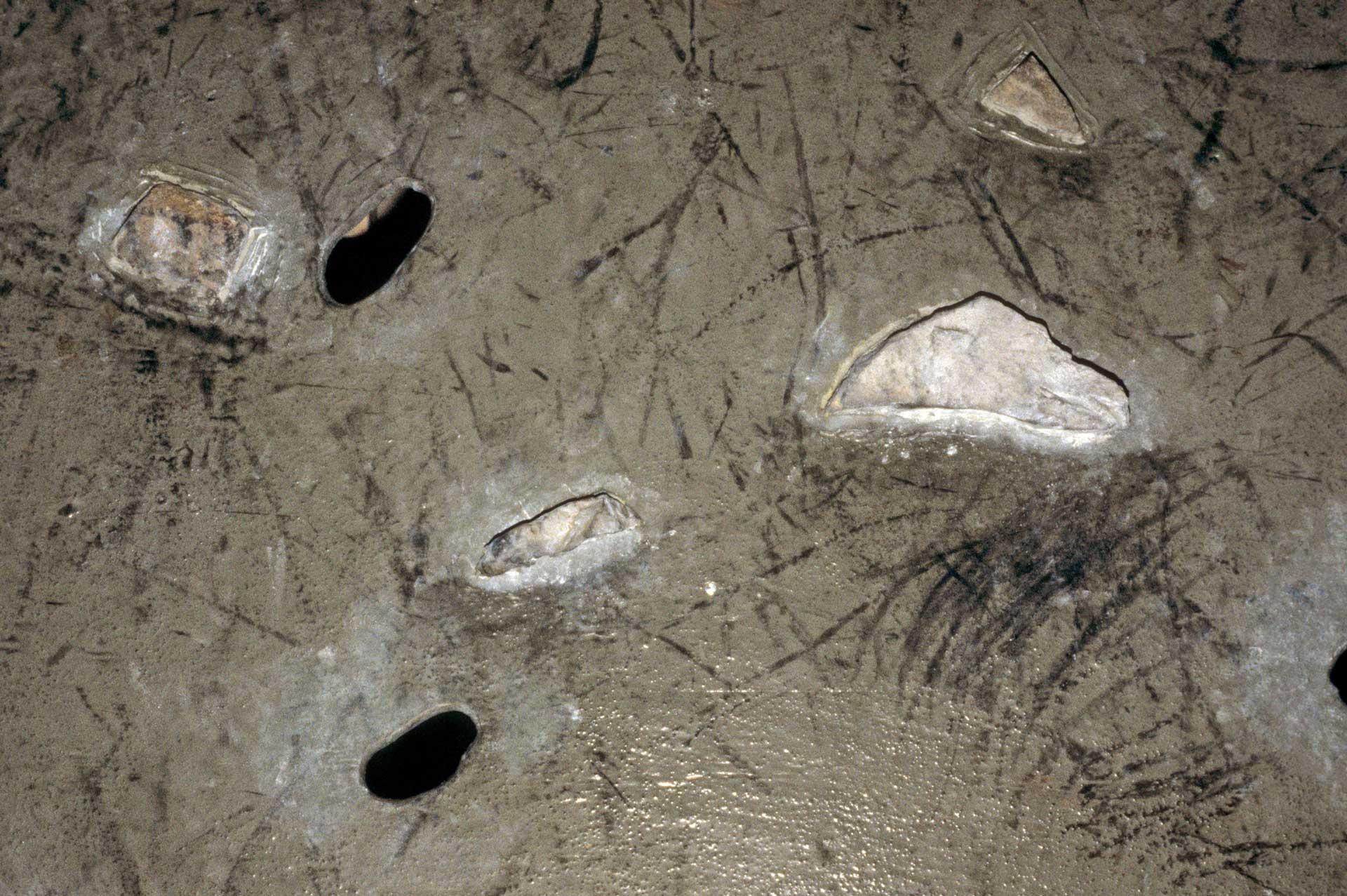
We actually started selling memberships in late October in 1987, at a hefty yearly rate of $120. At that time the idea of paying to climb indoors was considered by many as ludicrous. Technology at the time was very limited. Handholds had not been manufactured in the U.S. yet, so we relied on our climbing friends to bring back rocks from climbing areas, such as Joshua Tree, Butter Milks and City of Rocks. You can see some of these glued-on rocks on the history wall in the Seattle gym. It is the gray wall behind the exercise equipment. That was the first artificial climbing wall made in the U.S. Through the years it had plastic handholds added to it, but you can get the idea of what Dan [Cauthorn] and his mates were dealing with when they were building America’s first climbing gym.
What is interesting to me is that during the start of the business we were not well received by much of the climbing community. We had great support from a close group of friends and climbers, but we could not get an audience with other climbing institutions in town, except The North Face. Paul McKinley, the manager of the downtown store, was very supportive of this new idea and supported us as much as he could. To many we were considered heretics. Bringing climbing indoors, what a lame idea. It was a good thing Dan was loyal to the business, being the legitimate and accomplished climber that brought credibility to the new project.
Selling memberships at a loss, putting on a few classes, and selling some shoes was the guts of the business at that time. The first winter was rough, considering we did not have enough money to put in a heating system, so we relied on a portable gas burning heater set in the middle of the floor. People would climb in their down vests, come over and heat up their hands for a while, then get back to it.
Fast forward 20 years and now you see climbing walls in health clubs, public schools, retail stores, YMCA’s, city parks, and who knows where else. Now we have school programs, birthday parties, climbing teams, training programs, etc. Back then we were considered “out there” with the new idea, and now we are considered a bit too strict and traditional in our belay check policies. Wow, how did this happen? From one end of the spectrum to the other.
I have been asked if I would do it all over again. Hell no, but I am very grateful of the experience, and of the people who have helped build this business. I wouldn’t trade the experience for anything. I have a great appreciation for those lean years when Dan and I went to work in our long underwear and glued rocks on the wall. This business was built from the ground up, with a lot of creativity and hard work. It is a mountain that I am glad I climbed, but I’m not going back for a second ascent.
That’s it for now. Keep pulling.