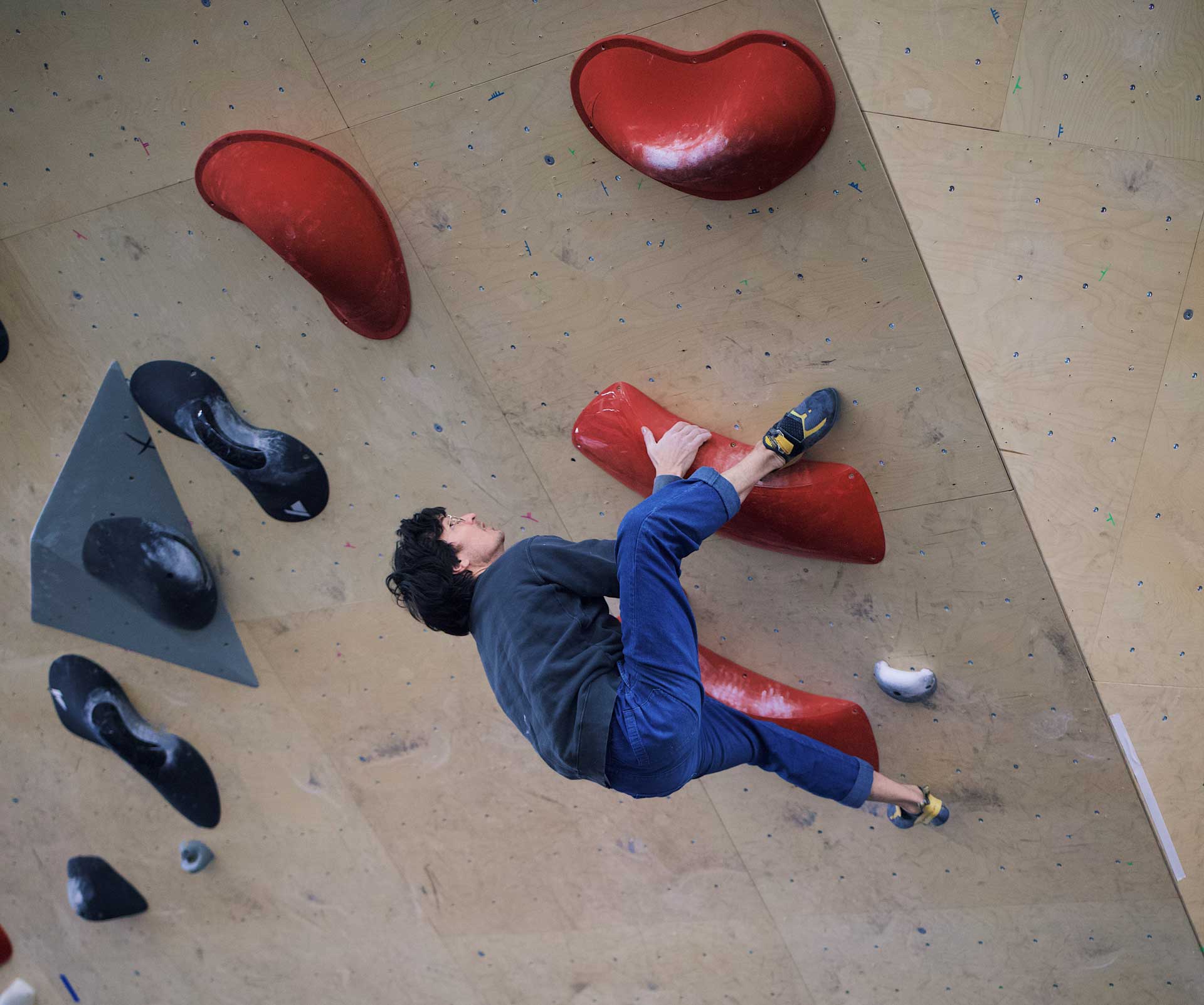
When veteran routesetters like Mike Bockino and Chris LoCrasto walk into a climbing gym, they can usually tell what’s missing within minutes. A quick look at the holds room, a short conversation with the routesetting team, maybe a lap or two on the wall, and the gaps become obvious.
Bockino has been climbing since 1998 and routesetting since 2001, long enough to have seen multiple eras of hold design. He built his first volume in 2009 while working at The Front Climbing Club in Salt Lake City, before large macros and dual texture became standard tools. Since then, Bockino has set for 28 National Championships and six World Cups, and he has worn nearly every hat a climbing gym offers: head routesetter, coach, general manager, maintenance staff, even hold washer.
“With so many years in routesetting and also on the business side of gyms, I can usually put together a strong hold order with just a few questions,” Bockino said. “The goal isn’t just filling the wall. It’s matching the inventory to the gym’s users and the style of climbing they’re trying to build.”
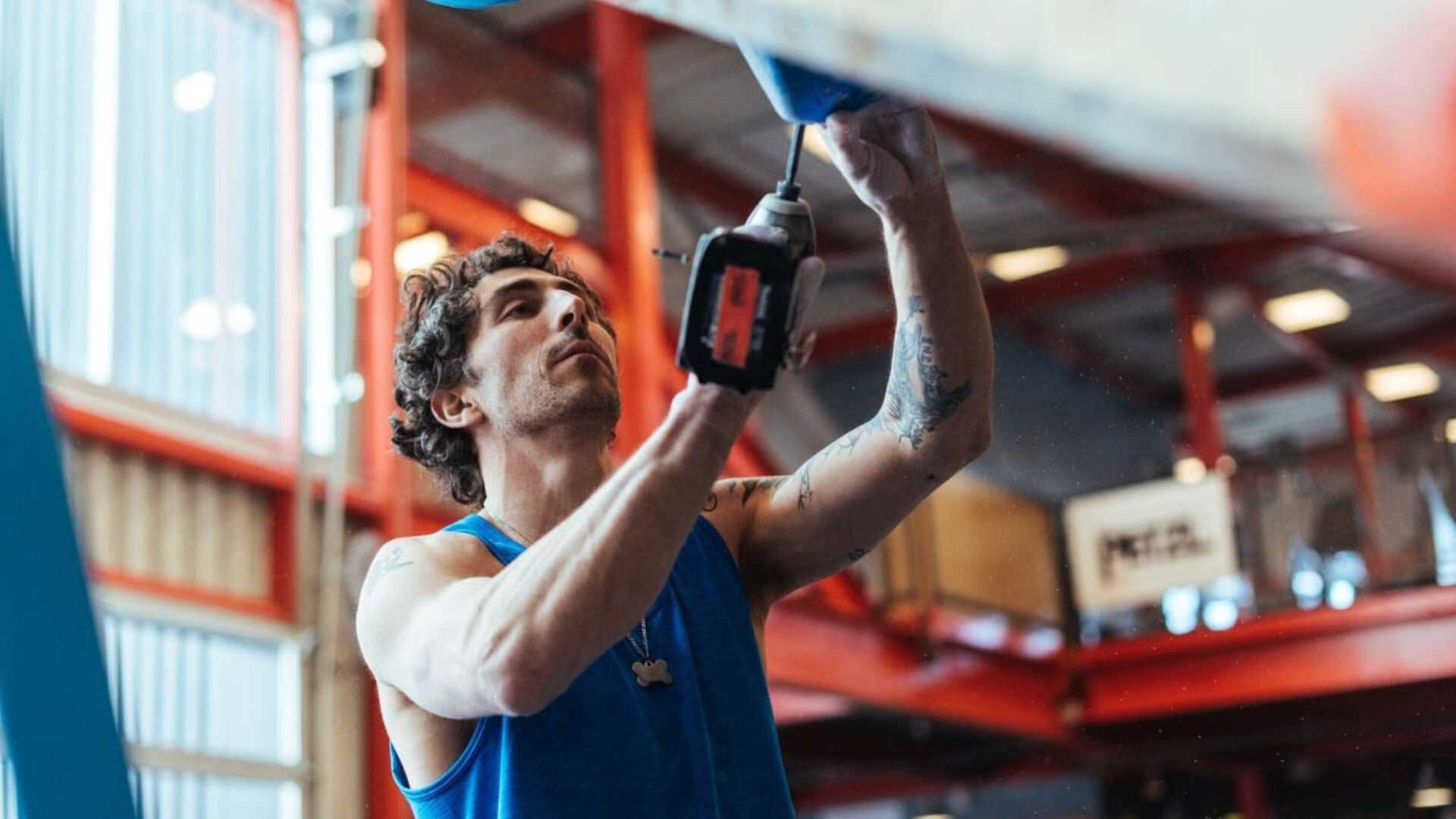
That long-term perspective is shared by LoCrasto, whose climbing career stretches back even further. LoCrasto began climbing in the mid-1990s, competed on the early youth circuit, and moved into commercial routesetting shortly thereafter. Over the last two decades, he has set more than 20 national-level competitions and five IFSC events, while also co-owning Summit Gyms for 12 years. During that time, LoCrasto designed and built new facilities, led routesetting teams, and ran Premium Holds, a distribution company he founded to better understand how product choices affect gyms on the ground.
Today, both Bockino and LoCrasto work at Essential Climbing, a hold distributor currently representing nine high-quality brands: eXpression, Squadra, Vezi, Axis, Lapis, Kumiki, Chapter, Captain Crux and Jugz. At Essential, their roles are shaped less by sales metrics than by pattern recognition. Years spent setting, managing, and maintaining climbing programs have given the expert team a deep understanding of how hold inventories succeed or fail over time.
“As far as I know, there are few [climbing] hold salespeople like Mike and I who have put together opening hold orders and then had to set with them for years afterward,” LoCrasto said. “Living with those decisions changes how you approach everything.”
The Importance of a Well-Balanced Hold Inventory
When Bockino and LoCrasto visit gyms today, they tend to see the same red flags repeated.
For Bockino, it often starts with imbalance: not enough jugs, limited foothold options, and little variation across colors or circuits. “You never want to hear, ‘I climbed an orange one just like that two months ago,’” Bockino said.
LoCrasto sees a different, but related issue: a lack of brand diversity. He argues that limiting a gym’s hold selection to just one or two manufacturers restricts creativity and ultimately dulls the climbing experience. “Every shaper has a certain flavor,” LoCrasto said. “Different textures, profiles, and ideas of what climbing should feel like. When a gym limits itself, it limits its setters.”
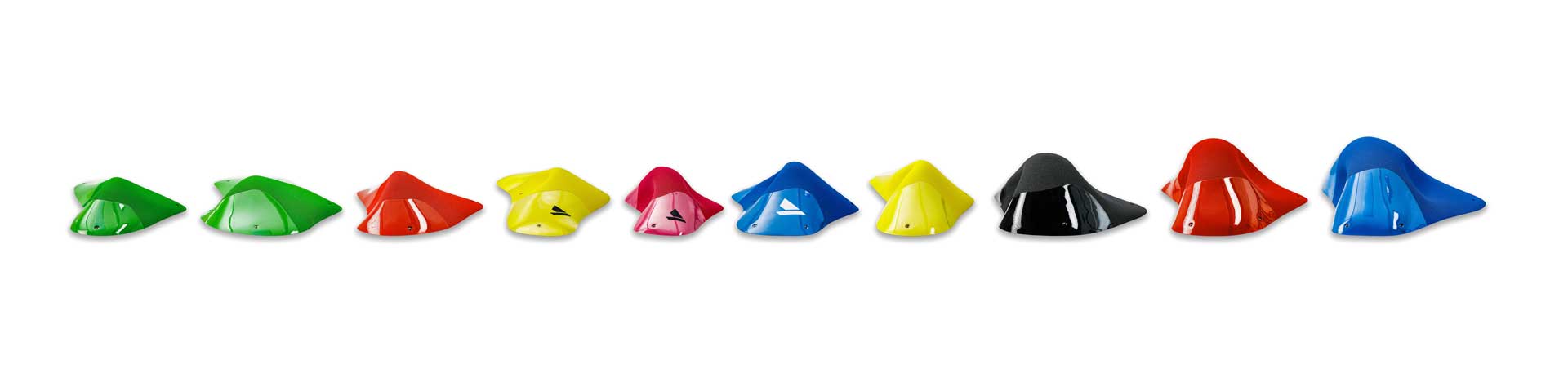
At Essential, that philosophy translates into a catalog that spans thousands of shapes across multiple brands. The emphasis isn’t on uniformity, but instead on contrast: similar shapes available in different grip qualities, varied textures, and hold families that work across both commercial and competition settings.
“There’s nothing worse than knowing the move you want and not having the right hold,” Bockino said, thinking back to his earliest routesetting days. “What excites me about the brands we work with is that you can often find the same shape in easier or harder grip quality. That makes it effortless to fine-tune difficulty without compromising movement.”
Both setters also hear a common regret from gym owners, especially newer ones: underestimating how much they’ll need after opening. “Almost everyone says, ‘I wish I’d saved part of my budget for six to twelve months in,’” Bockino said. “That’s when you really understand what you’re missing.”
Craft, Control, and the Future of Routesetting
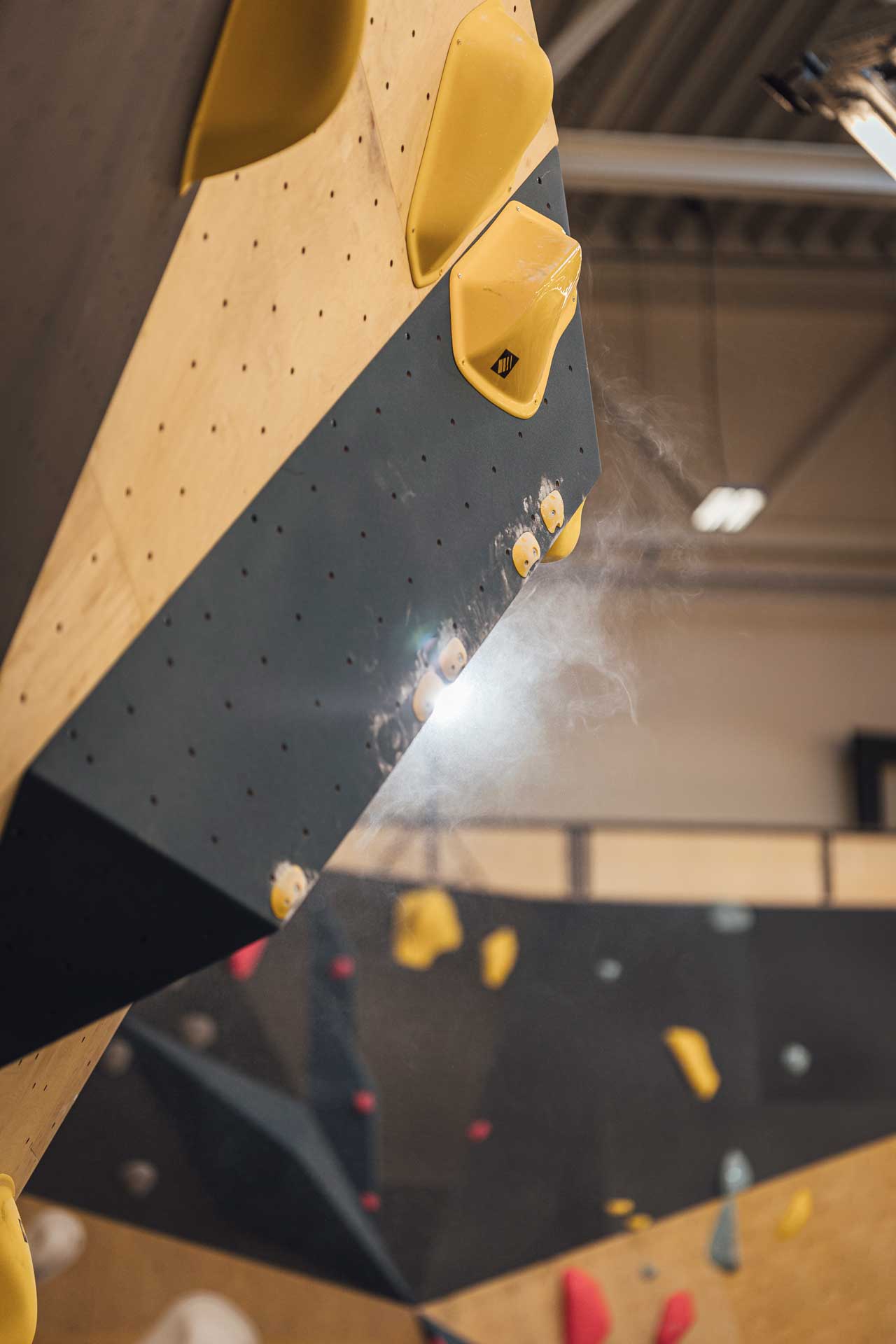
For LoCrasto, the difference between a good hold and a great one is rarely about size or flash. It’s about subtleties that only reveal themselves under repeated use. “The perimeter, the profile, the finish, the texture,” he said. “That tactile experience under your fingers is what makes climbing feel special. You know it when you climb on it.”
Both Bockino and LoCrasto see hold design trending toward higher craftsmanship and greater precision. As shapes become more refined, setters gain increased control over movement, allowing small variables to define entire sequences.
“The level of craftsmanship is higher than it’s ever been,” LoCrasto said. “That opens the door to more intentional setting.”
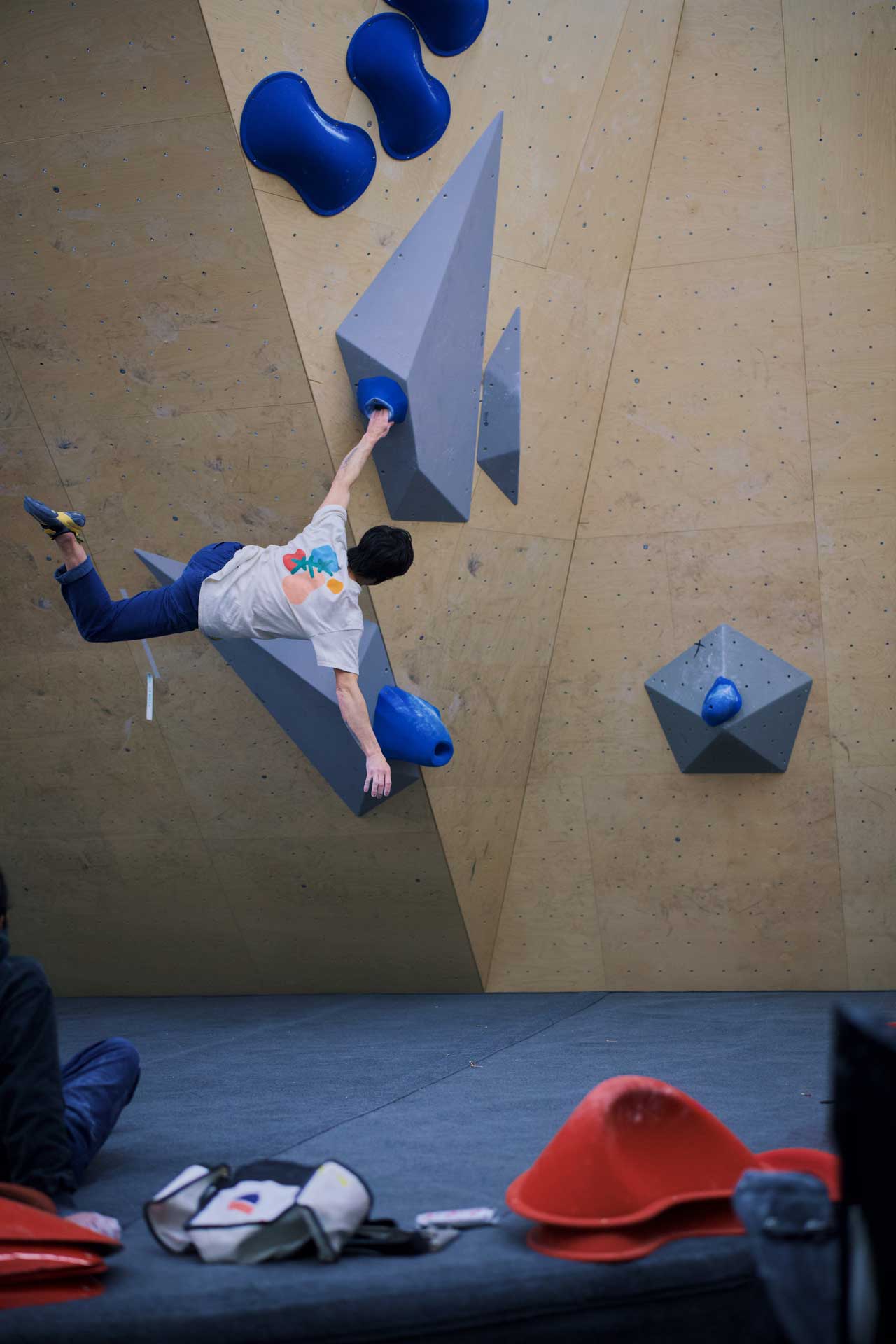
That evolution, they argue, makes thoughtful inventory planning even more important. Holds are no longer just tools for climbs; they can shape how gym members experience movement, progression and creativity over time.
At Essential, both setters see their role as advocates as much as advisors. Their experience allows them to bridge the gap between setters, managers and ownership, helping teams articulate what they need and why it matters. “It’s about understanding the struggles from all sides,” Bockino said. “And making sure the people building the climbs have the tools to do it well.”
In an industry that moves quickly and often chases trends, Bockino and LoCrasto remain grounded in a simpler idea: good climbing starts with good tools, chosen by people who know what it’s like to use them every day.
This article is a sponsored story and does not necessarily represent the views of the Climbing Business Journal editorial team.