Introducing Unblocd – When climbers get injured, many quietly disappear from the gym community – often for good. Drawing on industry insights, injury research, and findings from practical work with injured climbers, Unblocd explores in this article practical steps gyms can take to keep injured members engaged mentally, socially, and physically during their recovery.
When a climber gets injured, the impact on your gym’s bottom line can be as painful as the injury itself. Silent membership freezes turn into cancellations. Once-regulars vanish from the community. Recovery is slow – and not just because of physical healing.
Lewis Moulds, Marketing Manager for The Climbing Hangar, has seen this dynamic firsthand:
“Retention is everything in the climbing gym business. Injuries are inevitable, but losing members because of them isn’t. Supporting people through recovery – especially the mental side – pays dividends in loyalty.”
It’s one of the reasons The Climbing Hangar partnered with Unblocd, whose Climbing Injury Recovery Course (launching on September 11) and gym staff training give gyms practical tools to keep injured members connected and engaged. But while partnerships help, any gym can take steps to keep recovering climbers coming back.
Injured Climbers Quietly Disappear
Injuries are part of climbing. Yet most gyms have no defined process for supporting members during recovery.
While onboarding and engagement programs keep active climbers returning, injured members often fall through the cracks. In Unblocd’s recent work with climbers in recovery, most named fear of re-injury, loss of motivation, and feeling disconnected from the community as their biggest challenges. Several avoided the gym entirely – not because they couldn’t climb, but because it was emotionally tough to watch others progress while they sat out.
This aligns with research showing that mental barriers can delay return more than the physical injury itself. Left unaddressed, those barriers quietly erode your retention rates.
The Mental Side of Recovery
Fear of re-injury is one of the most common reasons they delay coming back. Unblocd has seen that mental skills training, like gradual exposure, reframing setbacks, and building micro-goals, helps climbers rebuild trust in their bodies. Yet many still don’t understand the importance of the mental side of injury recovery – or realise that mental skills are like any other skills: they can be learned and honed.
Ged MacDomhnaill, CEO and Founder of The Climbing Hangar, says:
“People underestimate what an injury means to climbers; It’s a hammer blow to both your soul and way of living. Climbing with my friends and also solo is so central to my self regulation, connection, and feeling of wellbeing that when I can’t climb, it’s devastating. What, am I just supposed to stand on the mats and chat to my friends while they climb, or simply climb slabs with one hand? I’d be losing my mind! The obsessive and singular nature of my love of climbing is the answer to a good life generally and the problem when I am injured. After 25 years of climbing, the way back from injury is still a hard, complex road and I find it tricky not to temporarily quit and go running.”
Gyms can reinforce these strategies by creating safe, staged return-to-climbing experiences and celebrating small wins along the way. Even minor injuries can create major emotional setbacks – frustration over lost progress, dips in confidence, and reduced motivation can linger long after the physical rehab ends.
Practical steps for gyms:
- Talk about injury before it happens. Include recovery resources in onboarding and member communications.
- Follow up when a member pauses or cancels due to injury. Offer encouragement, social invites, or gentle training options.
- Make mental support accessible. While referrals to sports psychologists are valuable, many climbers benefit from affordable, scalable resources like online mental skills courses.
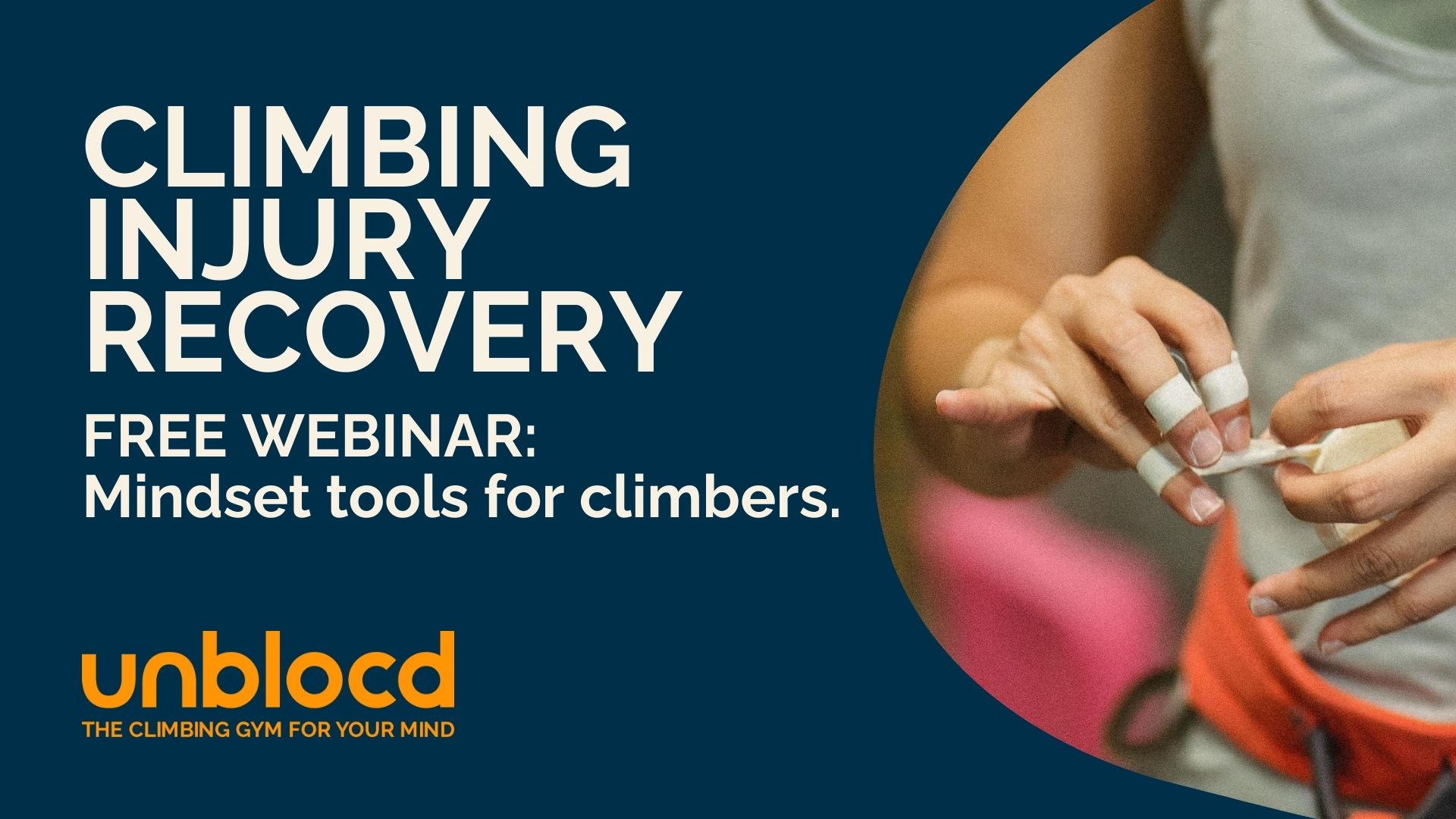
Unblocd, a mental training platform for climbers, is hosting a free webinar on Thursday, September 11th, 2025, designed to help climbers navigate the psychological challenges of injury recovery. Join the webinar to learn how Unblocd approaches the mental side of climbing injury recovery.
Sign up hereKeep the Physical Door Open
Even if injured climbers can’t train at full capacity, they can still use the gym for rehab and community connection.
Ways to support physical recovery on-site:
- Ensure your fitness area has rehab-friendly equipment and space.
- Partner with physiotherapists for on-site or referred services.
- Host workshops on injury prevention, active recovery, and safe return.
Encouraging climbers to visit for rehab keeps them physically active – and socially engaged with your gym.
Foster Climbing-Specific Social Support
Insights from injury research and Unblocd’s course participants show that while general support from friends and family is valuable, it often isn’t enough. Injured climbers often want to connect with others who understand the demands of the sport.
Gyms can provide this by hosting recovery-friendly events, creating informal peer networks, or linking members in similar stages of rehab. Small gestures like this strengthen belonging and make returning feel natural.
Why Retention During Injury Matters
Supporting injured members benefits your gym in three ways:
- Higher retention – Members who feel cared for are more likely to maintain their membership or return.
- Deeper loyalty – Climbers remember how they were treated when they were vulnerable.
- Stronger culture – You position your gym as a place that supports the whole climber, through the ups and downs, not just when they are performing at their best.
As Madeleine Crane, CEO of Unblocd and sport psychologist, puts it:
“Injured climbers aren’t lost climbers. With a bit of care and the right support, they can come back stronger – and more loyal – than ever.”
Where to Start
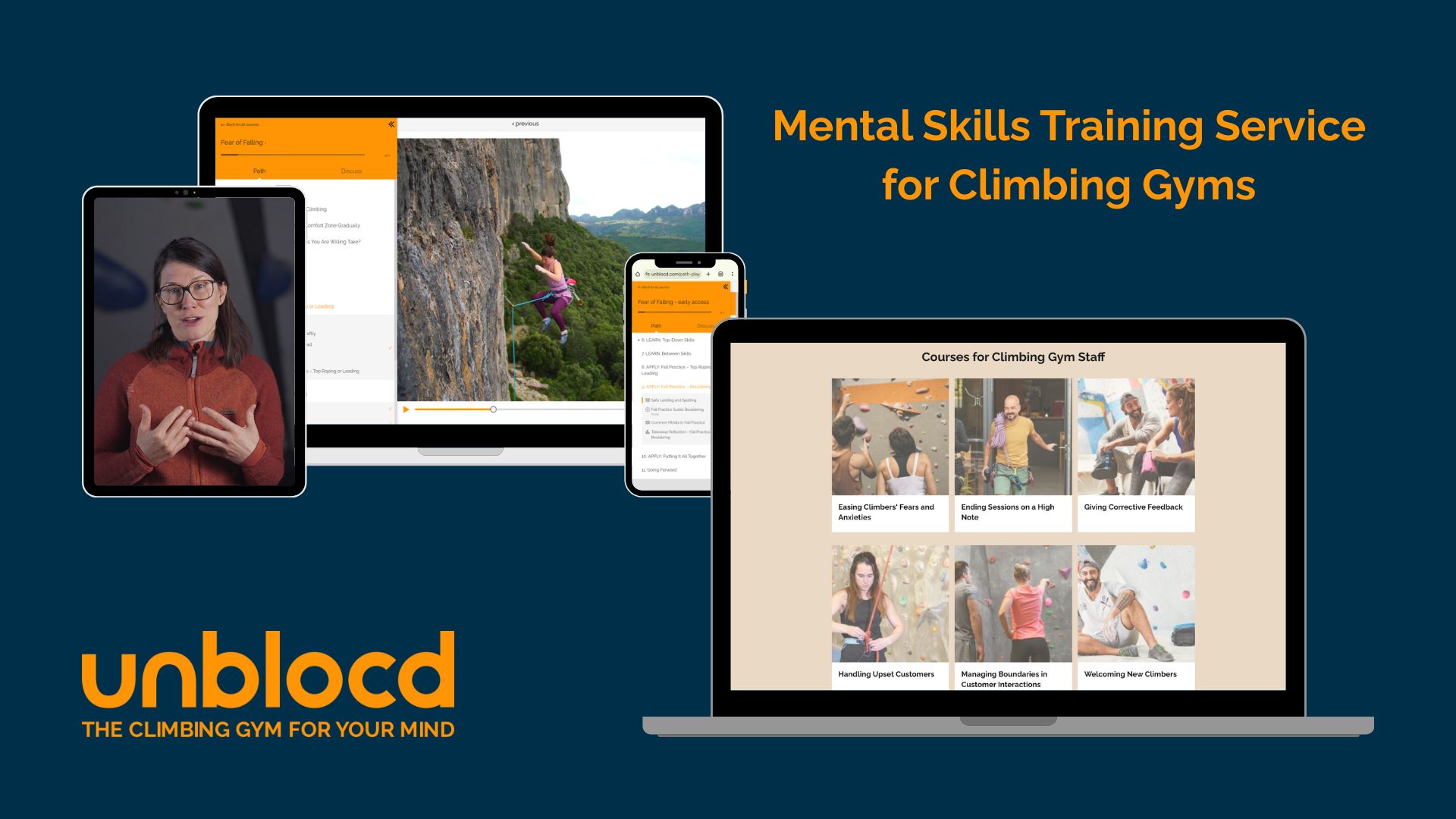
Unblocd offers climber-focused mental skills training that helps both individuals and gyms address the psychological side of climbing.
- Mental Skills Training Courses for Climbers – Self-paced, online courses that guide climbers through the fundamentals of the mental game of climbing, from managing fear of falling to injury recovery and sharpening their projecting mindset.
- Staff Training for Gyms – Practical, climbing-specific skills for front desk teams, coaches, and managers, equipping them to understand the mental side of climbing and support customers – whether they’re injured or working through other barriers.
Find out how Unblocd can support your gym and reach out!
Madeleine Crane, CEO
madeleine@unblocd.com
CBJ press releases are written by the sponsor and do not represent the views of the Climbing Business Journal editorial team.